


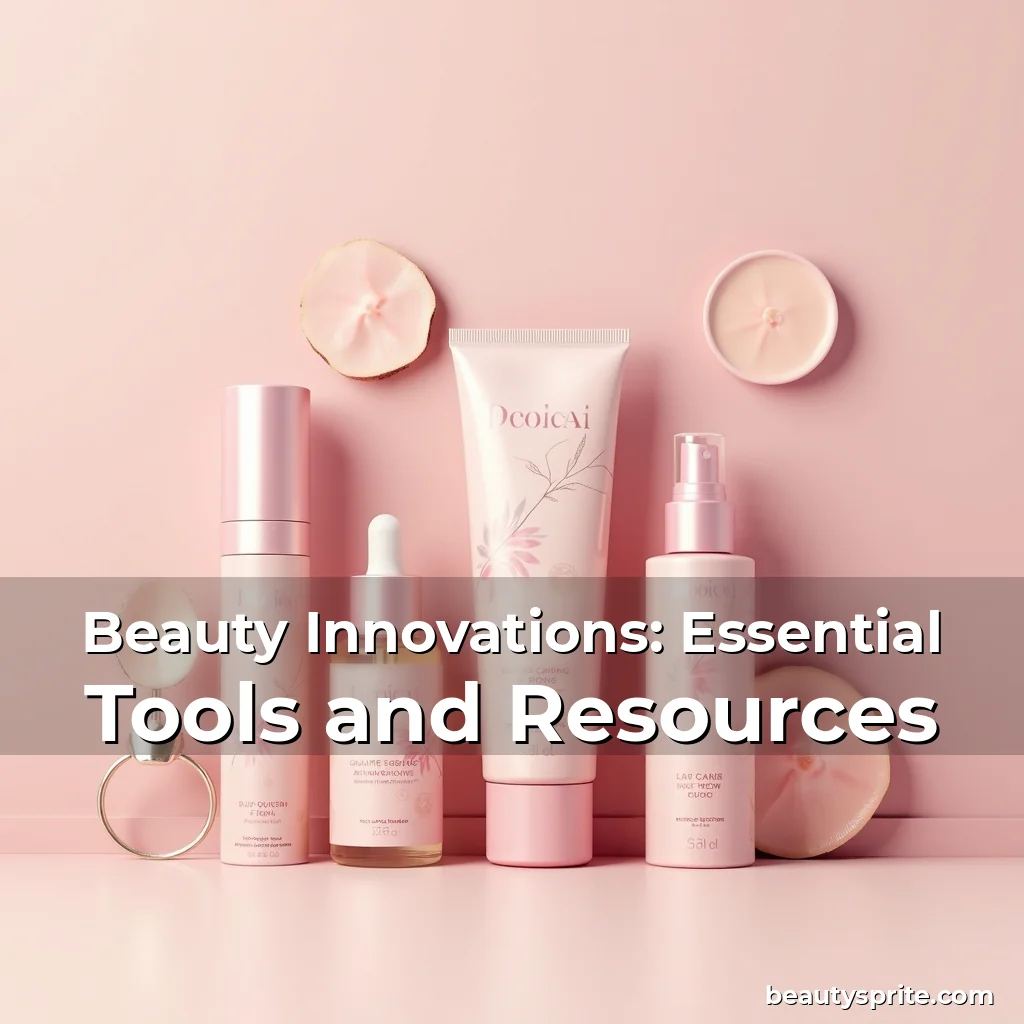
Beauty Innovations: Essential Tools and Resources
In an era where technology continues to redefine personal care routines, the landscape of beauty is undergoing a remarkable transformation. From AI-powered skincare analyzers to biodegradable makeup packaging, innovation has become central to both product development and consumer experience in the beauty industry.
The latest advancements are not only enhancing efficacy but also addressing global concerns such as sustainability, inclusivity, and personalized experiences. This evolving space demands that consumers stay informed about groundbreaking tools and resources shaping their daily rituals.
The Rise of Smart Skincare Devices
Skin analysis devices have evolved beyond basic mirrors and magnifying glasses. Today’s smart skincare gadgets utilize advanced imaging technologies and artificial intelligence to provide users with highly accurate assessments of their skin condition.
These devices can detect everything from hydration levels to early signs of aging by analyzing factors like texture, pigmentation, and pore size. Some models even offer real-time feedback through mobile apps connected via Bluetooth or Wi-Fi.
- AI Skin Analyzers: Brands like Foreo and Clarisonic now integrate machine learning algorithms capable of recognizing patterns in skin health data over time.
- Multispectral Imaging: Advanced systems use different wavelengths of light to assess deeper layers of the skin, revealing issues invisible to the naked eye.
One particularly innovative device combines thermal imaging with microcurrent therapy, offering targeted treatments based on precise skin temperature readings. These tools empower individuals to make scientifically backed decisions about their skincare regimens.
As these technologies become more accessible, they’re enabling users to track progress objectively rather than relying solely on subjective observations. This shift towards data-driven skincare represents a significant change in how people approach their beauty routines.
Biodegradable Beauty Packaging Revolution
Environmental consciousness is reshaping every aspect of the beauty industry, including packaging solutions. Traditional plastic-based containers are being replaced by sustainable alternatives made from compostable materials.
Leading brands are investing heavily in research to develop eco-friendly packaging without compromising functionality or aesthetics. Bioplastics derived from cornstarch and sugarcane are becoming increasingly common in cosmetic products.
Eco-Friendly Innovations in Makeup Containers
The lipstick tube market alone has seen remarkable changes. Companies like Lush and Kiehl’s have introduced refillable options using glass jars that reduce single-use plastic waste significantly.
A study conducted by the Ellen MacArthur Foundation found that 95% of plastic packaging isn’t recycled globally. This statistic underscores the urgency behind developing alternative packaging solutions within the beauty sector.
Some manufacturers are experimenting with seaweed-based films that dissolve completely when exposed to water, providing an entirely new dimension to disposable packaging. These innovations align perfectly with growing consumer demand for environmentally responsible choices.
The transition toward biodegradable materials may require adjustments in production processes but offers long-term benefits for brand reputation and environmental impact reduction.
Personalized Skincare Through DNA Analysis
DNA testing kits tailored specifically for skincare are gaining popularity among discerning consumers seeking truly customized treatment plans. By examining genetic markers related to skin health, these tests reveal predispositions to various conditions.
This information allows dermatologists and estheticians to create formulations that address individual needs at a molecular level. Genetic profiling can indicate sensitivity thresholds, collagen synthesis rates, and melanin production capabilities.
Several companies now offer at-home test kits that analyze cheek swabs or saliva samples. Results typically include recommendations for suitable ingredients, potential allergies, and optimal treatment schedules.
While some experts caution against over-reliance on genetic data, the consensus remains that this form of personalization enhances effectiveness compared to traditional one-size-fits-all approaches used previously.
Virtual Try-On Technology Enhancing Shopping Experiences
Retailers across the globe are adopting augmented reality (AR) applications to transform online shopping into immersive experiences. Virtual try-on features allow customers to see how products would look before making purchases.
Using facial recognition software combined with 3D modeling techniques, shoppers can preview foundations, eyeshadows, lipsticks, and even hair colors digitally. This reduces return rates while increasing customer satisfaction.
Major platforms like Sephora and Ulta Beauty have integrated AR capabilities into their websites and mobile apps. Users simply upload photos or take selfies to get realistic previews of different looks.
Beyond cosmetics, virtual fitting rooms extend to skincare products too. Apps can simulate how serums might affect skin texture or how moisturizers could enhance radiance after weeks of consistent application.
The integration of AI with AR promises even greater accuracy in future iterations. As cameras and processors continue improving, so will the realism of digital simulations available during online shopping sessions.
The Role of Microbiome Research in Skincare
Scientific discoveries regarding the human microbiome are leading to revolutionary breakthroughs in skincare science. Researchers are finding that maintaining balanced microbial communities plays crucial roles in overall skin health.
Probiotic-infused creams and prebiotic-rich lotions help restore natural bacterial balances disrupted by harsh cleansers or environmental stressors. This approach contrasts sharply with conventional methods focusing primarily on eliminating bacteria.
Studies show that certain beneficial microbes produce compounds which strengthen the skin barrier function and regulate inflammatory responses. Products containing postbiotics—byproducts of probiotic fermentation—are emerging as promising additions to daily routines.
Formulators are working closely with microbiologists to ensure safe yet effective concentrations of live cultures remain viable until final application. These collaborations represent exciting frontiers in preventative skincare strategies.
Consumers looking to incorporate microbiome-focused products should seek out those certified by reputable organizations ensuring quality standards similar to pharmaceutical-grade formulations.
Harnessing Nanotechnology for Enhanced Delivery Systems
Nanoparticles are revolutionizing how active ingredients penetrate deep into skin layers. Unlike larger molecules that struggle to pass through lipid barriers, nano-sized particles can deliver nutrients precisely where they’re most needed.
This advancement enables better absorption rates for vitamin C derivatives, retinoids, and hyaluronic acid complexes. Formulations utilizing nanocarriers often demonstrate improved stability under UV exposure and longer shelf lives.
Certain sunscreen formulas now employ zinc oxide nanoparticles that sit invisibly on the surface while still offering broad-spectrum protection. These microscopic structures reflect harmful rays effectively without leaving white residue visible on darker skin tones.
Researchers are continuously refining nanoparticle sizes and shapes to optimize delivery efficiency further. Ongoing studies explore combinations of metal oxides with organic filters to achieve superior sun protection outcomes.
Despite its advantages, ethical considerations surrounding nanoparticle usage persist due to limited long-term safety data. Responsible formulation practices remain essential to mitigate any potential risks associated with these tiny powerhouses.
Emerging Trends in Haircare Innovation
Just as skincare continues evolving rapidly, so does the world of professional-grade haircare treatments. Cutting-edge developments aim to repair damage caused by heat styling, chemical processing, and environmental exposure.
Keratin restructuring therapies now utilize bioengineered proteins designed to rebuild hair shaft integrity. These treatments can dramatically increase manageability while reducing breakage frequency by up to 60% according to clinical trials.
New conditioning agents infused with marine-derived peptides promote stronger bonds along each strand. When applied regularly, these components work synergistically with existing hair structure to enhance elasticity naturally.
Smart brushes equipped with sensors measure tension points indicating areas prone to split ends or frizz formation. Real-time alerts guide users toward corrective actions minimizing further deterioration.
Combining these technological advances with traditional salon services creates holistic maintenance programs tailored specifically to individual hair types and lifestyles.
Advancements in Inclusive Product Development
There’s been a notable shift towards creating products catering to diverse skin tones, textures, and body types. Previously overlooked demographics are finally receiving dedicated attention from researchers and developers alike.
Color ranges for foundation shades have expanded exponentially, allowing individuals with complexions ranging from fair to very dark to find perfect matches easily. Shade matching algorithms powered by machine vision assist retailers in stocking appropriately.
Textured skincare solutions address unique challenges faced by curly-haired individuals who tend to experience dryness more frequently despite regular moisture intake. Hydrating masques formulated with shea butter and argan oil cater explicitly to coily hair needs.
Body lotions developed for stretch marks feature ingredients like centella asiatica extract known for promoting tissue regeneration around scarred regions. These specialized formulas target problem areas with precision unmatched by general-purpose products.
Brands committed to true inclusivity invest considerable resources into extensive testing phases involving volunteers representing varied backgrounds before releasing finished goods onto markets worldwide.
The Future of Beauty Tech Integration
As we move forward into what many call the’smart beauty’ age, expect continued convergence between wearable tech and personal grooming habits. Fitness trackers monitoring sleep cycles already influence morning skincare decisions indirectly through reported restfulness levels.
Devices capable of measuring cortisol levels in sweat could soon dictate recommended anti-inflammatory treatments automatically adjusting ingredient ratios accordingly. Such proactive measures mark another step closer toward fully automated self-care ecosystems.
With voice assistants becoming commonplace in homes everywhere, integrating them seamlessly with beauty routines seems inevitable. Imagine asking your Alexa to recommend toners based on current humidity levels outside affecting skin hydration status instantly.
Ultimately, these integrations don’t replace human expertise but serve as powerful augmentation tools helping professionals make faster diagnoses and patients maintain healthier lifestyles consistently over extended periods.
Investments pouring into AI research alongside quantum computing promise even more sophisticated predictive analytics capable of forecasting skincare needs months ahead accurately through pattern recognition software trained on vast datasets collected anonymously.
Conclusion
The field of beauty innovations continues to expand rapidly driven by scientific discovery and changing societal values emphasizing sustainability, customization, and accessibility above all else.
Staying updated about emerging trends ensures that consumers can harness cutting-edge tools responsibly while contributing positively towards broader environmental goals shared collectively by entire industries today.
“`<|End of response|>“`


news is a contributor at BeautySprite.com. We are committed to providing well-researched, accurate, and valuable content to our readers.
You May Also Like

Beauty Innovations vs Alternatives: Complete Comparison
Beauty Innovations vs Alternatives: Complete Comparison In an era where technology meets aesthetics, beauty innovations have redefined personal care routines...
Quick Beauty Innovations Solutions Under 30 Minutes
Quick Beauty Innovations Solutions Under 30 Minutes In today’s fast-paced world, staying updated with the latest beauty innovations can feel...

Reliance Retail Enters the High-Growth Beauty and Wellness Space with FACEGYM Acquisition
Reliance Retail’s latest move into the high-growth beauty and wellness space is poised to revolutionize the Indian beauty landscape. The...
Beauty Innovations on a Budget: Money-Saving Tips
Revolutionizing Beauty: Cutting-Edge Innovations Transforming Skincare and Makeup The world of beauty is undergoing a seismic shift, driven by groundbreaking...