


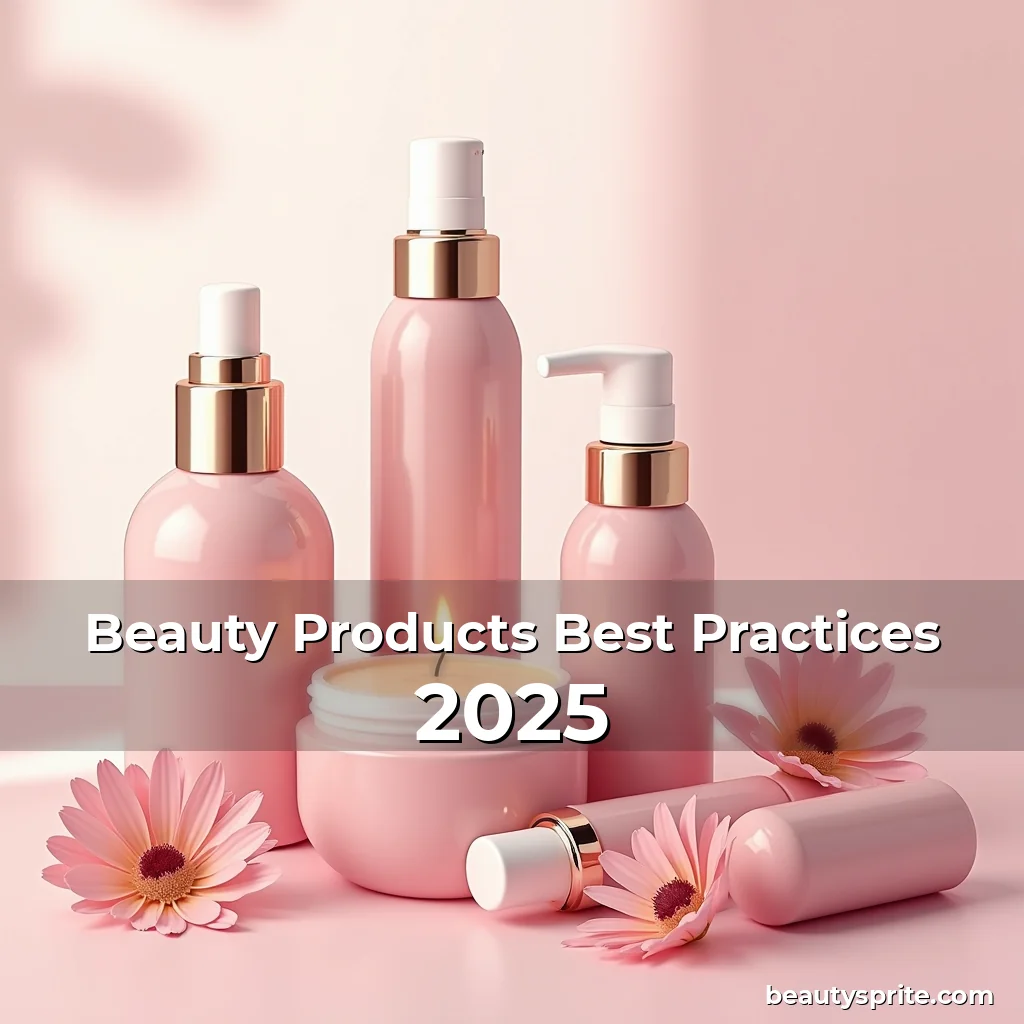
Beauty Products Best Practices 2025
In 2025, the landscape of beauty products has transformed dramatically with technological advancements, consumer demands, and environmental awareness shaping the industry. As we delve deeper into the year, this guide aims to highlight innovative strategies, ethical considerations, and effective product development approaches that define current best practices.
The rise of digital platforms and social media influencers has significantly impacted how consumers perceive beauty products, making transparency and authenticity vital components of brand success. Understanding these shifts enables brands to stay relevant and competitive in today’s market.
The Evolution of Ingredients in Beauty Products
Over the past decade, there has been a significant shift towards natural ingredients in beauty products, driven primarily by health-conscious consumers seeking safer alternatives. This trend emphasizes clean beauty standards, which prioritize non-toxic formulations and skin-friendly components.
Companies now invest heavily in research to source organic materials and develop cruelty-free formulas. This commitment not only aligns with modern values but also enhances brand loyalty among environmentally aware customers who prefer ethically produced goods.
- Natural Extracts: Incorporating plant-based extracts allows for gentler formulations suitable for sensitive skin types while offering proven benefits like hydration and anti-inflammatory properties.
- Cruelty-Free Certifications: Brands increasingly pursue certifications from organizations like Leaping Bunny, signaling their dedication to animal welfare and responsible production methods.
Sustainable Packaging Solutions for Modern Consumers
With growing concerns over plastic waste and carbon footprints, many beauty companies are rethinking traditional packaging solutions. Sustainable options such as biodegradable containers, recyclable materials, and refillable systems are gaining popularity across the sector.
This shift reflects a broader societal movement toward sustainability, where consumers expect brands to demonstrate corporate responsibility. Adopting green packaging can lead to positive public relations and differentiate a company from competitors still relying on conventional methods.
Eco-Friendly Innovations in Product Design
A recent survey indicates that approximately 68% of millennials prefer purchasing beauty items packaged sustainably. This statistic underscores the importance of addressing environmental impact when developing new products or redesigning existing ones.
Brands experimenting with innovative designs may find that integrating features like compostable closures or reusable glass bottles not only reduces ecological harm but also attracts a demographic eager to support eco-conscious initiatives.
Leveraging Technology for Enhanced Customer Experience
Digital innovation plays a pivotal role in enhancing customer experiences through augmented reality try-ons, virtual consultations, and AI-driven recommendations tailored specifically to individual preferences. These tools empower users to explore different looks safely before committing to purchases.
Furthermore, mobile applications equipped with AR capabilities allow shoppers to visualize how makeup would look on their faces without needing physical samples. This convenience factor greatly improves overall satisfaction levels associated with online shopping experiences.
- Virtual Try-On Tools: Apps utilizing facial recognition technology enable accurate simulation of lipstick shades, eyeshadow combinations, and other cosmetic effects right from one’s smartphone screen.
- AI-Powered Skin Analysis: Advanced algorithms analyze skin conditions via selfies taken by smartphones, then suggest customized routines or recommend products aligned precisely with diagnosed issues.
Personalized Skincare Regimens Through Data Analytics
Data analytics now facilitates hyper-personalized skincare regimens by analyzing consumer behavior patterns alongside dermatological findings. Such targeted approaches cater uniquely to each person’s needs rather than employing generalized advice applicable universally.
By leveraging big data sets collected from wearable devices tracking sleep cycles, stress indicators, and even hormonal fluctuations, professionals can devise holistic treatment plans designed explicitly for optimal results over time.
Custom Formulations Based on Genetic Testing
An emerging field involves genetic testing kits available over-the-counter that provide insights into predispositions related to acne susceptibility, aging signs, and sensitivity reactions. Utilizing this biological information allows manufacturers to produce bespoke creams matched perfectly against personal profiles.
Though initially costly and niche-oriented, this method promises future expansion potential once economies of scale come into play. Early adopters stand poised to gain considerable advantages through early access to pioneering technologies reshaping skincare science fundamentally.
Redefining Brand Loyalty Through Experiential Marketing
Experiential marketing
Fostering Community Engagement Via Social Proof
User-
- Smart Devices Monitoring Daily Habits: Wearables capable of detecting micro-expressions indicative of underlying anxiety disorders could influence skincare regimen modifications automatically triggered upon identifying elevated cortisol levels.
- Bioengineered Organoids Replicating Human Skin Cells: Laboratory-grown tissue models facilitate precise experimentation protocols devoid of human subject risks, accelerating R&D timelines considerably compared traditionally lengthy phases reliant purely upon volunteer trials.
The Role Of Cultural Sensitivity In Global Markets
Recognizing cultural nuances becomes imperative especially when expanding operations internationally given varying aesthetics preferred across regions. Respecting local traditions informs design choices influencing everything from fragrance notes selected carefully to imagery depicted thoughtfully avoiding unintentional offenses.
Adaptability proves advantageous wherever regional differences exist regarding acceptable body modifications, hair styling norms, or preferred textures defining desirable end results perceived favorably locally versus elsewhere globally.
Local Partnerships Enhancing Market Penetration Strategies
Forming strategic alliances with indigenous entrepreneurs possessing intimate knowledge about regional dynamics accelerates acceptance curves substantially reducing resistance encountered otherwise likely encountered blindly implementing uniform global standards universally irrespective geographical contexts involved.
Such collaborations yield mutually beneficial arrangements wherein native expertise complements external resources creating synergistic opportunities opening doors previously closed due solely reliance foreign perspectives lacking contextual awareness critical navigating diverse markets successfully.
Concluding Thoughts On Evolving Standards Within Industry
The beauty industry continues evolving swiftly shaped continuously by dynamic forces comprising technological breakthroughs, shifting societal attitudes, and regulatory updates. Staying abreast of ongoing transformations guarantees relevance positioning businesses advantageously amid fierce competition characterizing contemporary marketplace landscapes.
Ultimately embracing change wholeheartedly equips practitioners adequately preparing themselves adeptly responding proactively rather passively reacting inevitably lagging behind curve potentially jeopardizing growth prospects altogether absent vigilance exercised diligently maintaining edge perpetually.


news is a contributor at BeautySprite.com. We are committed to providing well-researched, accurate, and valuable content to our readers.
You May Also Like


Immerse Yourself in a World of Multi-Sensational Delights
DFS Hong Kong & Macau, and DFS Okinawa, Naha City, are designed to ignite your senses and create lasting memories....
Beauty Products for Beginners: Getting Started
Beauty Products for Beginners: A Journey Through Essentials and Innovations Welcome to the vibrant world of beauty products, where innovation...

Welcome to the April Beauty Box Review
Lookfantastic's monthly subscription box brings a smile to the writer's face, featuring six products that tackle body, hands, face, and...
Meghann Fahy's Glow-Up Must-Haves: Paula’s Choice Defense Essential Glow Moisturiser SPF30
In a recent Vogue Beauty Secrets video, the talented Meghann Fahy, star of The White Lotus season 2 and Netflix’s...