


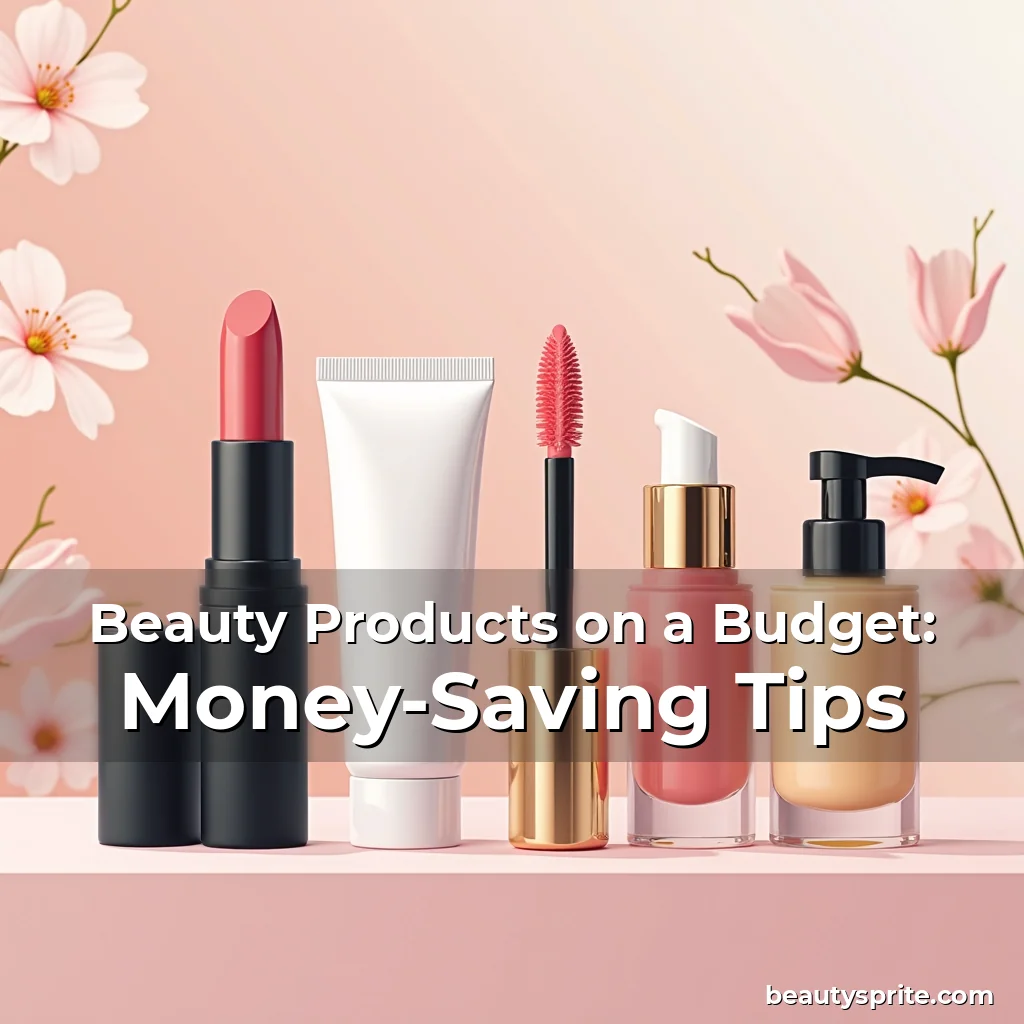
The Ultimate Beauty Essentials: Discovering Must-Have Products for Every Skin Type
In today’s fast-paced world, finding the perfect beauty products that cater to your unique skin type and concerns can feel overwhelming. Whether you’re dealing with dryness, oiliness, sensitivity, or acne-prone skin, the right ingredients and formulations can transform your routine and boost confidence.
The beauty industry offers endless options, from serums and moisturizers to cleansers and makeup. Yet, navigating this landscape requires knowledge of what works best for your skin. This guide aims to simplify the process by spotlighting top-tier products, expert recommendations, and insider tips for achieving radiant, healthy skin without compromising quality or effectiveness.
Understanding Your Skin Type: The Foundation of Effective Skincare
Your skin type determines which products will work best for you. Common classifications include oily, dry, combination, sensitive, and normal skin. Identifying yours is crucial because using the wrong products can exacerbate issues rather than resolve them.
To determine your skin type, observe your face after cleansing. Oily skin often appears shiny with visible pores, while dry skin may feel tight or flaky. Combination skin typically has an oily T-zone (forehead, nose, chin) and drier cheeks. Sensitive skin reacts easily to irritants, causing redness or itching. Knowing these differences helps narrow down suitable products.
For instance, individuals with oily skin benefit from non-comedogenic formulas that won’t clog pores. Those with dry skin require hydrating ingredients like hyaluronic acid or ceramides. Sensitive skin users should look for fragrance-free, hypoallergenic options. Understanding these nuances ensures personalized results and prevents unnecessary frustration.
Some brands specialize in catering to specific skin types. For example, CeraVe focuses on barrier repair for dry and sensitive skin, while Paula’s Choice targets acne-prone skin with salicylic acid-based treatments. Exploring such specialized lines can streamline your search for effective solutions.
The Power of Key Ingredients: What to Look for in Top-Rated Beauty Products
Certain ingredients consistently appear in high-performing beauty products due to their scientifically proven efficacy. Hyaluronic acid, retinol, vitamin C, niacinamide, and ceramides are among the most celebrated components across skincare ranges.
Hyaluronic acid deeply hydrates without heaviness, making it ideal for all skin types. Retinol stimulates collagen production, reducing fine lines and improving texture. Vitamin C brightens complexion and fights free radicals, while niacinamide soothes inflammation and regulates sebum production. Ceramides reinforce the skin barrier, protecting against environmental stressors.
When selecting products, prioritize those containing these active ingredients in safe concentrations. Over-the-counter serums and creams often offer potent yet gentle formulations, whereas prescription-strength versions may require medical supervision. Always patch test new products to avoid adverse reactions.
For example, The Ordinary’s hyaluronic acid serum is a cult favorite for hydration, while Estée Lauder’s Advanced Night Repair contains powerful antioxidants and peptides. These examples highlight how targeted ingredients yield transformative results when used correctly.
Evaluating Product Labels: Decoding Marketing Jargon and Ingredient Lists
Beauty product packaging can be misleading, filled with buzzwords like “clean,” “dermatologist-tested,” and “non-toxic.” While these terms suggest safety, they lack standard definitions, leaving room for interpretation. Learning to decode ingredient lists empowers informed decisions.
Always review the full list of ingredients, listed in descending order by concentration. Avoid products with excessive synthetic fragrances, sulfates, parabens, and alcohol, which can strip moisture and cause irritation. Instead, seek out products with natural preservatives like rosemary extract or benzyl alcohol.
Terms like “fragrance-free” and “dye-free” indicate fewer potential irritants, while “cruelty-free” certifications assure ethical production practices. Certifications such as Leaping Bunny or PETA Verified add credibility to eco-conscious claims.
Be wary of vague marketing language. Phrases like “skin-revitalizing” or “miracle cure” rarely deliver measurable outcomes. Focus instead on clinical studies, consumer reviews, and dermatological endorsements when assessing product legitimacy.
Skin-Care Routines Demystified: Building a Personalized Regimen
A well-rounded skincare routine follows a structured sequence: cleanse, treat, moisturize, and protect. Adjustments depend on individual needs and goals, whether addressing aging, acne, or dullness.
Cleansing removes dirt, excess oil, and impurities. Opt for gentle, pH-balanced formulas to maintain the skin’s natural microbiome. Double-cleansing—a technique involving oil-based cleansers followed by water-soluble ones—is beneficial for heavy makeup wearers or those prone to breakouts.
Treatment steps involve applying serums and topical treatments targeting specific concerns. Serums with concentrated actives penetrate deeper layers of the skin, delivering faster results. Consistency is key, as most products require several weeks to show noticeable improvements.
Maintenance includes moisturizers and sunscreens. Moisturizers lock in hydration, while broad-spectrum SPF shields against UV damage, preventing premature aging and pigmentation. Incorporating exfoliation once or twice weekly accelerates cell turnover and unclogs pores.
Customizing Your Routine Based on Seasonal Changes
Environmental factors influence skin health, necessitating seasonal adjustments. During colder months, increase hydration levels with richer moisturizers and facial oils. In warmer seasons, switch to lightweight lotions and opt for sweat-proof sunscreen.
Humidity levels also play a role. Dry climates demand higher moisture retention, while humid regions require non-greasy formulas to prevent congestion. Monitoring these variables ensures optimal skin performance year-round.
Travelers should carry travel-sized products suited to their destination’s climate. Pack a multi-tasking balm for lips and cuticles, along with a compact powder for touch-ups. Staying adaptable keeps your skincare regimen efficient regardless of location.
Top Recommendations: Best Beauty Products for Different Skin Concerns
Selecting the right products involves matching specific ingredients to individual needs. Below are curated suggestions for common skin challenges:
- Dry Skin: La Roche-Posay Toleriane Double Repair Face Moisturizer combines prebiotic thermal water and ceramides to restore the skin barrier.
- Oily Skin: Neutrogena Oil-Free Acne Stress Control Gel Cleanser utilizes salicylic acid to dissolve excess oil and clear pores.
- Sensitive Skin: Aveeno Calm + Restore Oat Gel Cream features colloidal oatmeal to reduce redness and soothe irritation.
- Acne-Prone Skin: The Ordinary Niacinamide 10% + Zinc 1% addresses hyperpigmentation and minimizes shine simultaneously.
These products demonstrate how science-backed formulations tackle distinct concerns efficiently. Pairing them with complementary routines enhances overall efficacy.
Fragrance-free foundations like CoverGirl Clean Fresh Foundation or mineral-based concealers from Jane Iredale are excellent choices for sensitive or breakout-prone skin. Layering lightweight textures prevents overloading the skin.
Budget-Friendly Alternatives Without Compromising Quality
High-quality skincare doesn’t always mean expensive. Many affordable brands offer comparable results through clean ingredients and effective formulation techniques.
Vitamin C serums from brands like Kosas or Drunk Elephant rival pricier competitors at a fraction of the cost. Similarly, drugstore staples like Cetaphil Gentle Skin Cleanser or Olay Regenerist Micro-Sculpting Cream deliver reliable outcomes for everyday use.
Sampling kits allow testing before committing fully. Retailers like Sephora and Ulta frequently offer samples of popular items. Subscription services like Ipsy or Birchbox introduce users to emerging brands regularly.
DIY skincare recipes, when done safely, can also save money. Mixing honey and yogurt creates a soothing mask, while green tea compresses help reduce puffiness. Always sanitize tools and consult professionals when incorporating new methods.
Navigating Trends: Separating Hype from Innovation
The beauty market thrives on innovation, but distinguishing genuine breakthroughs from fleeting fads requires discernment. Trends like TikTok-fueled skincare gels or viral “detox masks” often lack scientific validation.
Before embracing a trend, research its basis. Ingredients like bakuchiol, a plant-derived alternative to retinol, gained popularity due to reduced irritation risks. Conversely, unproven products promising overnight results should raise skepticism.
Rely on peer-reviewed studies and dermatological expertise. Organizations like the American Academy of Dermatology or reputable beauty blogs like Byrdie provide evidence-based assessments of trending items.
Participating in online forums allows sharing experiences with others. Platforms like Reddit’s r/skincare or Instagram communities foster discussions about real-world effectiveness beyond promotional claims.
Sustainability Meets Efficacy: Eco-Conscious Beauty Brands You Can Trust
Increasingly, consumers prioritize environmentally responsible products. Sustainable beauty brands combine ethical practices with proven results, offering guilt-free indulgence.
Companies like Lush Cosmetics emphasize zero-waste packaging through refillable containers and biodegradable wraps. Patagonia’s collaboration with Alba Botanica highlights reef-safe sunscreens free from harmful chemicals.
Vegan and cruelty-free certifications ensure animal welfare standards are met. Brands such as The Body Shop and Pacifica lead in transparency regarding sourcing and manufacturing processes.
Purchasing secondhand luxury skincare via platforms like ThredUp or eBay extends product lifecycles while supporting circular economy principles. Refurbished devices like Clarisonic brushes further reduce waste without sacrificing performance.
The Role of Customer Reviews: Leveraging Collective Insights
Online reviews serve as invaluable resources for evaluating product suitability. Real user feedback reveals hidden pros and cons not always apparent from advertisements.
Look for patterns in reviews rather than isolated comments. If numerous customers mention improved hydration or reduced redness within a month, it indicates consistent effectiveness. Watch for warning signs like allergic reactions or product instability complaints.
Trusted retailers like Amazon and Sephora feature verified purchase reviews, adding authenticity value. Following influencers known for honest critiques provides additional perspectives.
Use tools like Google Shopping filters or MakeupAlley’s rating system to refine searches based on reliability ratings. Comparing multiple sources ensures balanced decision-making.
Conclusion
Choosing the right beauty products involves balancing personal preferences with scientific understanding. From identifying skin types to decoding ingredient lists, this guide equips you with the tools necessary for confident selections.
Remember, consistency and patience remain vital factors in any skincare journey. With thoughtful choices and ongoing evaluation, you’ll discover products that enhance both appearance and self-care routines effortlessly.


news is a contributor at BeautySprite.com. We are committed to providing well-researched, accurate, and valuable content to our readers.
You May Also Like


Beauty Products for Beginners: Getting Started
Beauty Products for Beginners: A Journey Through Essentials and Innovations Welcome to the vibrant world of beauty products, where innovation...
Beauty Bar Debate: Is This Dove Bar a Fake or the Real Deal?
The Rise of Online Retailers and Product Dupes —————————————— With the rise of online retailers like Temu and DHgate, product...

Amazon Summer Beauty Event: A Two-Week Beauty Bonanza
Amazon's annual Summer Beauty Event is fast approaching, and it's expected to bring some of the biggest beauty deals of...
The Minimalist Perfecting Complexion Stick: A Game Changer for Any Beauty Enthusiast
A makeup enthusiast's holy grail product is often something they've used for months, years, or even decades. For me, that...