


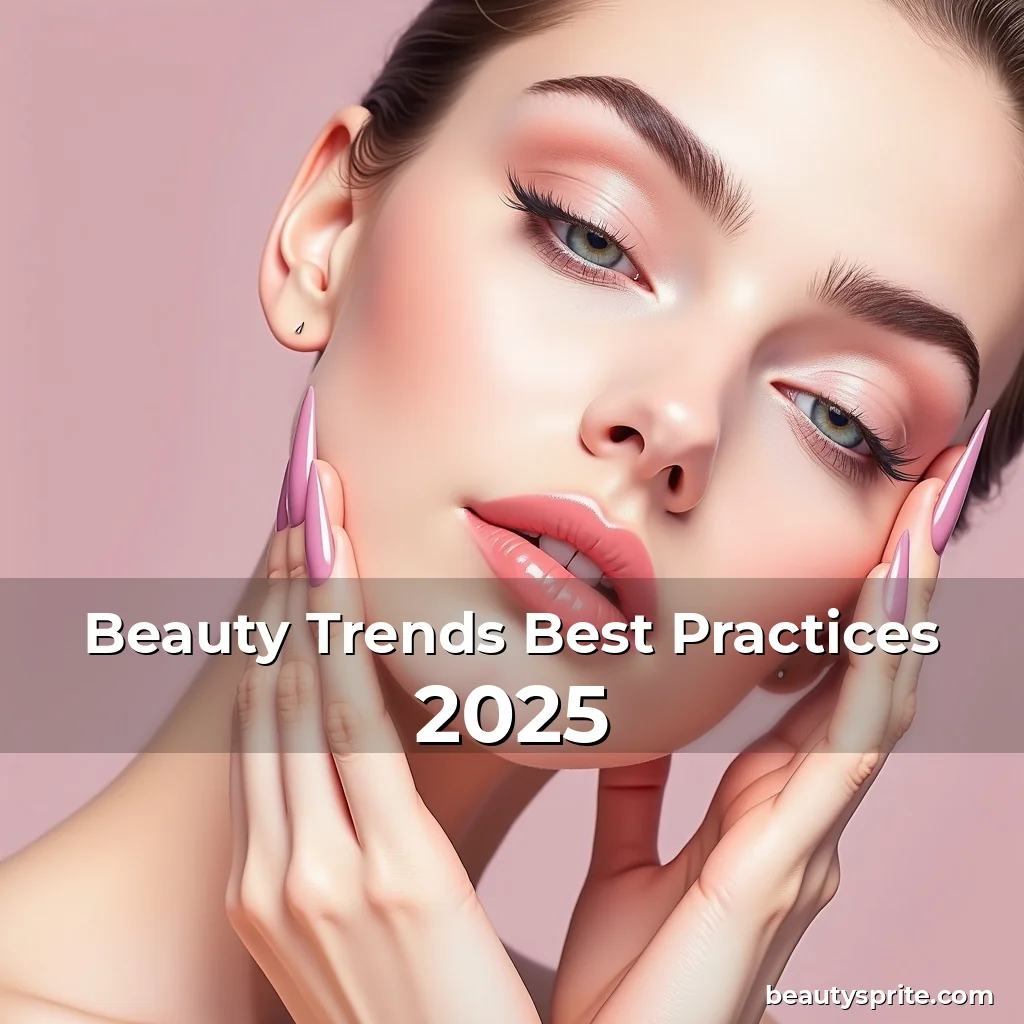
Beauty Trends Best Practices 2025
The world of beauty is constantly evolving, driven by innovation, sustainability, and shifting consumer values. As we step into 2025, the industry is witnessing groundbreaking changes that redefine how we approach skincare, makeup, and self-expression.
From eco-conscious packaging to AI-powered skincare tools, this year’s trends prioritize both aesthetics and ethics. Readers of Beautysprite will find these updates essential for staying ahead in the ever-changing landscape of beauty.
Sustainable Beauty Practices Take Center Stage
Eco-friendly initiatives are no longer optional—they’re imperative. Brands now emphasize recyclable materials, biodegradable formulas, and carbon-neutral production processes. This shift reflects growing consumer awareness of environmental issues.
Consumers are increasingly demanding transparency. They seek brands that disclose ingredient sources, ethical labor practices, and waste reduction efforts. Certifications like “Cradle to Cradle” or “Leaping Bunny” validate these claims effectively.
- Packaging innovations: Refill stations, glass containers, and compostable tubes reduce single-use plastic reliance. Companies like Lush lead with naked product lines.
- Circular economy models: Programs allowing customers to return empty bottles for discounts encourage reuse. Sephora’s recycling initiative is a notable example.
The trend extends to veganism and cruelty-free standards. Over 70% of Gen Z consumers prefer products aligned with animal welfare principles, pushing brands to adopt stricter policies.
Sustainability isn’t merely a marketing tactic anymore—it’s a core business strategy. Those who fail to adapt risk losing market share to competitors prioritizing green credentials.
The Rise of Clean Beauty: Transparency Meets Science
Clean beauty continues its meteoric rise, fueled by a desire for non-toxic, skin-safe products. Consumers now scrutinize labels for harmful chemicals like parabens, sulfates, and synthetic fragrances.
This movement is backed by scientific research linking certain additives to long-term health risks. Dermatologists advocate for simpler ingredient lists, emphasizing natural alternatives like hyaluronic acid and niacinamide.
What Defines ‘Clean’ in 2025?
“Clean beauty” today requires rigorous certification. Labels like “EWG Verified” or “USDA Organic” signal adherence to safety benchmarks. Additionally, third-party audits verify claims about sustainability and efficacy.
Brands are leveraging clean beauty to differentiate themselves. Products touting “zero-waste” production or “microplastic-free” formulas attract environmentally conscious buyers. These value propositions resonate strongly with millennial and Gen Z demographics.
Innovation drives this sector forward. Fermentation technology enhances probiotic serums, while cold-pressed oils preserve nutrients. Such advancements prove clean beauty doesn’t compromise performance.
Tech-Driven Skincare: AI and Beyond
Artificial intelligence is revolutionizing skincare diagnostics. Apps now analyze selfies to detect acne, hyperpigmentation, or signs of aging, offering customized treatment plans based on real-time data.
Smart mirrors and connected devices integrate seamlessly with mobile apps. For instance, some mirrors scan your face before suggesting targeted serums or recommending dermatologist visits.
- AI-powered personalization: Algorithms learn skin patterns over time, adjusting product suggestions dynamically. Neutrogena’s UV sensor device tracks sun exposure levels automatically.
- Virtual consultations: Telemedicine platforms enable users to consult dermatologists remotely. Tools like YouCam Makeup simulate results instantly, reducing trial-and-error purchases.
Data privacy remains a concern, however. Users must trust platforms safeguarding sensitive information like facial scans or medical histories. Leading companies invest heavily in encryption technologies to address these fears.
Beyond convenience, tech fosters inclusivity. Augmented reality allows people with diverse skin tones to test foundation shades accurately—a game-changer for historically underserved communities.
Personalization: Your Skin, Your Rules
One-size-fits-all products are fading fast. Instead, consumers crave bespoke solutions tailored to their unique skin types, concerns, and lifestyles. Lab-grown serums and custom masks are becoming mainstream offerings.
DNA testing kits unlock genetic insights about hydration levels, collagen production, and sensitivity thresholds. Brands like Proven and Function Of Beauty leverage this data to craft individualized regimens.
How Does It Work?
A simple cheek swab identifies biomarkers related to skin health. Software then cross-references this info against databases of clinical studies to recommend optimal ingredients.
Custom formulation machines mix precise ratios of active components. Customers receive vials labeled with their name and specific targets, like “boost melanin synthesis” or “reduce redness.”
This level of customization ensures higher efficacy rates. Studies show personalized skincare improves outcomes by up to 40% compared to traditional methods. The cost premium is justified for those seeking visible transformations.
Inclusive Beauty: Redefining Standards
Representation matters—and the beauty industry is finally listening. Campaigns featuring diverse age groups, ethnicities, and body types are reshaping brand identities globally.
Mattress manufacturers and skincare labs collaborate to develop adaptive foundations suitable for textured skin. Similarly, gender-neutral fragrance lines cater to fluid identity expressions, challenging outdated norms.
- Color range expansion: Makeup houses like Fenty Beauty pioneered inclusive shade palettes; others now offer 50+ hues across foundations, concealers, and lipsticks.
- Accessibility features: Voice-activated applicators assist individuals with mobility challenges. Matte finishes minimize glare for visually impaired users.
Behind-the-scenes diversity is equally vital. A 2024 report found that 68% of consumers favor brands led by LGBTQ+, Black, Indigenous, or People of Color executives. Authentic allyship goes beyond token gestures.
Education plays a role too. Webinars explaining color theory for darker complexions or tutorials on applying contour without harsh lines empower marginalized communities.
Wellness Integration: Beauty as Self-Care
Skincare rituals are merging with holistic wellness practices. Meditation-inspired routines, aromatherapy-infused lotions, and moon phase-aligned schedules reflect this synergy.
Products infused with CBD oil or ashwagandha root calm inflammation and stress-related breakouts simultaneously. Yoga studios partner with skincare clinics to offer post-session facials promoting relaxation.
- Mindfulness techniques: Guided breathing exercises accompany massage rollers for neck tension relief. Calming scents like lavender enhance sleep quality during nighttime skincare.
- Nutrition-skin connections: Supplements targeting gut microbiomes support clearer skin. Brands sell probiotic powders mixed into smoothies alongside topical treatments.
Mental health advocacy influences product development. Stress-relief toolkits bundle skincare essentials with journal prompts or mindfulness apps. This holistic approach resonates deeply in post-pandemic recovery phases.
Experts caution against overloading routines with competing practices. Balance remains crucial—skincare should complement rather than complicate overall well-being strategies.
Rising Star Ingredients: What’s Next?
2025 introduces breakthrough actives redefining effectiveness metrics. Bioengineered stem cells repair tissue faster than conventional peptides, while blue-green algae extract boosts cellular energy production.
Microbiome-targeted therapies gain traction after years of research. Prebiotic-rich moisturizers restore beneficial bacteria populations, preventing flare-ups caused by antibiotic overuse.
- Fermented extracts: Kombucha-derived compounds strengthen skin barriers. Rice water toners brighten complexion naturally via enzymatic exfoliation.
- Nanotechnology applications: Encapsulated vitamins penetrate deeper layers of epidermis, enhancing absorption efficiency by 70%. Sunscreens utilize nano-zinc oxide for broad-spectrum protection.
Consumer education is critical here. Misinformation about “miracle” ingredients can lead to misuse. Dermatologists advise consulting professionals before incorporating novel substances into daily routines.
Safety trials remain paramount. Regulatory bodies enforce stringent testing protocols, especially for bioengineered molecules whose long-term effects require further study.
Beauty Tech Convergence: Wearables and More
Wearable devices track vital signs relevant to skincare decisions. Smart rings measure heart rate variability, signaling when stress-induced dryness may occur, prompting preemptive hydration steps.
Haircare joins the tech wave with IoT-compatible brushes that assess scalp health. Sensors detect dandruff levels or protein deficiencies, syncing data to app interfaces for targeted shampoos.
- Biometric integration: Sweat sensors worn during workouts adjust SPF levels in real time based on perspiration intensity. Humidity monitors trigger misting functions in humid climates.
- Interactive experiences: AR filters demonstrate makeup application under different lighting conditions. Thermal imaging reveals uneven temperature zones requiring spot treatments.
Data analytics transforms passive monitoring into proactive care. Machine learning algorithms predict future skin conditions weeks ahead, enabling early intervention.
Privacy safeguards are essential amid this connectivity boom. Strong encryption and opt-in consent mechanisms protect user data from unauthorized access or exploitation.
Conclusion
The beauty landscape of 2025 thrives on innovation, inclusivity, and sustainability. From smart devices to personalized skincare, every advancement aims to elevate both appearance and well-being.
To stay current, embrace experimentation with clean products, explore AI-driven tools, and advocate for inclusive representation. Remember—the most effective beauty routine adapts as you do.


news is a contributor at BeautySprite.com. We are committed to providing well-researched, accurate, and valuable content to our readers.
You May Also Like

The Transformative Power of Skin Renewal
Skin Renewal, a South African brand founded by Dr. Maureen Allem and her partner Victor Snyders, has revolutionized the aesthetic...

Selena Gomez Red Lipstick and Red Blush Look Is Dazzling
Selena Gomez was spotted on a solo mission in New York City. She wore a monochromatic mini dress from Magda...
Beauty Trends on a Budget: Money-Saving Tips
The Radiant Revolution: Exploring Today’s Most Exciting Beauty Trends In an ever-evolving world of beauty, staying ahead of the curve...
Beauty Trends vs Alternatives: Complete Comparison
Beauty Trends vs Alternatives: Complete Comparison The world of beauty is in constant evolution, shaped by innovation, cultural shifts, and...