


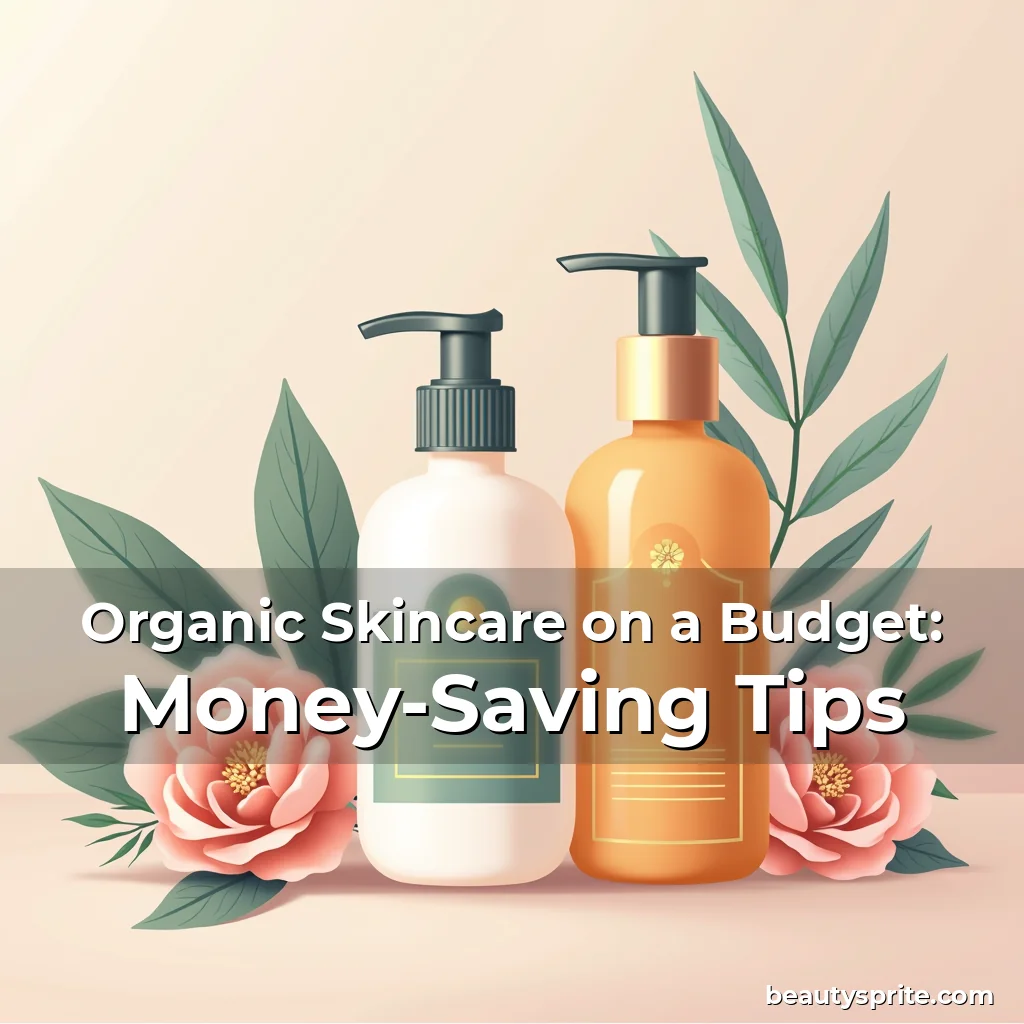
Organic Skincare on a Budget: Money-Saving Tips
In today’s fast-paced world, achieving radiant skin doesn’t require expensive brands or complex routines. Organic skincare offers a powerful alternative, combining nature’s wisdom with modern science to deliver results without the hefty price tag.
This guide explores how to embrace organic skincare affordably, focusing on smart choices, ingredient awareness, and sustainable habits. Whether you’re new to natural products or looking to refine your routine, these strategies will save you money while nurturing your skin.
The Power of Organic Ingredients
Organic skincare derives its strength from plant-based components free of synthetic additives. Ingredients like shea butter, rosehip oil, and green tea extract work harmoniously with the skin’s biology to promote healing and vitality.
Dermatological studies show that organic compounds often penetrate deeper than chemically processed alternatives, delivering long-term benefits such as reduced inflammation and improved elasticity. Unlike conventional formulas, organic blends typically avoid harsh preservatives and toxins that disrupt the skin barrier.
Natural antioxidants found in berries, turmeric, and chamomile combat oxidative stress—a leading cause of premature aging. These nutrients protect cells from damage caused by environmental pollutants and UV expo
- Sweet almond oil moisturizes deeply while supporting skin regeneration
- Aloe vera gel soothes irritation and accelerates wound healing
- Honey acts as a humectant and antimicrobial agent
By prioritizing organics, you reduce reliance on costly treatments for acne scars, dryness, or sensitivity. Simple, affordable formulations can address common concerns more effectively than overpriced serums packed with artificial chemicals.
Decoding Labels: What to Look For
Rapidly growing demand has led to a surge in counterfeit organic products. To ensure authenticity, scrutinize certifications like USDA Organic, Ecocert, or Soil Association logos on packaging.
Be wary of vague terms like “natural” or “eco-friendly.” True organic products meet stringent standards prohibiting genetically modified organisms (GMOs), pesticides, and synthetic fertilizers used during cultivation.
Cruelty-free credentials also matter. Certifications such as Leaping Bunny or PETA logo verify ethical sourcing and animal welfare compliance. Many mainstream brands now offer certified vegan lines at accessible prices.
Look beyond marketing jargon to understand active ingredients. A product labeled “anti-aging” may contain hyaluronic acid or retinol instead of botanical extracts. Compare ingredient lists to identify genuinely nourishing components.
Budget-Friendly Shopping Strategies
Purchase in bulk whenever possible. Natural oils, powders, and base creams often last longer than ready-made cosmetics, reducing waste and expenditure over time.
Explore wholesale markets or online retailers specializing in bulk quantities. Companies like Mountain Rose Herbs or Bulk Apothecary sell high-quality raw materials at significant discounts compared to retail stores.
Eco-conscious consumers benefit from refill programs offered by eco-brands. Brands such as Lush or AlternaCology allow customers to reuse glass containers instead of buying new packaging repeatedly.
Join loyalty programs that reward repeat purchases. Stores like Sephora or Credo Beauty frequently offer points redeemable for samples, memberships, or exclusive deals on organic products.
Diy vs Store-Bought: Making Informed Choices
Homemade skincare lets you control exactly what goes onto your face. With basic kitchen tools and easily obtainable raw materials, crafting personalized masks or toners is both fun and economical.
Create a gentle cleanser using bentonite clay mixed with water. Apply as a mask twice weekly to draw out impurities and tighten pores. Alternatively, blend oats with honey for a soothing exfoliating scrub suitable for sensitive skin types.
DIY limitations: While homemade remedies provide therapeutic effects, they lack preservation mechanisms found in commercial products. Without refrigeration or chemical preservatives, natural concoctions spoil faster and risk bacterial contamination.
Store-bought options offer convenience through stable formulation and consistent potency. Look for reputable small businesses selling organic creations at fair market rates rather than mass-market chains inflating prices unnecessarily.
Sustainable Practices for Long-Term Savings
Invest in reusable cotton pads, muslin cloths, or bamboo puff applicators instead of disposable wipes. Reusable items cut down expenses significantly while minimizing plastic pollution affecting oceans globally.
Prioritize multi-functional products. An organic facial oil can serve dual purposes—as makeup remover, serum booster, or massage medium depending on desired outcome.
Mindful consumption prevents overspending due to novelty bias. Research trending organic fads critically before purchasing to distinguish genuine innovations from fleeting gimmicks unlikely to yield lasting benefits.
Opt for concentrated stock solutions. High-purity powdered actives like vitamin C or ferulic acid can be diluted according to recipe specifications, enabling precise customization without wasting leftover material.
Overcoming Common Challenges
Newcomers often struggle with identifying safe sources for organic supplies. Start locally by visiting farmers’ markets or joining community-supported agriculture (CSA) initiatives that guarantee pesticide-free produce.
Some organic ingredients possess strong odors or textures initially off-putting but become familiar with regular use. Give yourself grace periods allowing adjustment toward preferred sensory experiences gradually.
Allergic reactions: Always patch test novel substances before full-face application. Mix minuscule amounts behind ears or inner elbows first to check potential adverse responses safely.
When unsure about ingredient interactions, consult pharmacists or trained herbalists who specialize in ethnobotanical medicine principles applied to contemporary skincare contexts.
Myth Busting: Organic ≠ Expensive?
Contrary to popular belief, authentic organic products come available at varied price ranges catering to diverse budgets. Focus on quality-to-value ratios rather than sticker shock alone.
Many indie artisans craft exquisite skincare items utilizing heirloom plants sourced sustainably. Their business models favor transparency over excessive profit margins commonly seen among corporate entities.
Seasonality plays role: Certain crops fetch lower prices seasonally—buying fresh lavender buds in summer reduces overall manufacturing costs embedded in finished goods sold year-round.
Leverage seasonal sales events during holidays or end-of-season clearance dates to acquire premium organic essentials at remarkable markdown percentages without compromising efficacy guarantees.
Expert Insights on Affordability
Dermatologists recommend building foundational care systems around affordable core items supplemented occasionally by specialty treatments. Basic hydration routines suffice most individuals without needing luxury enhancements.
Dr. Lisa Grotto, known as America’s Holistic Doctor, emphasizes that approximately 80% of visible signs of aging stem primarily from sun damage preventable via broad-spectrum SPF protection costing less than $10 monthly.
Beauty professionals advise layering inexpensive serums containing niacinamide or panthenol beneath pricier moisturizers. This strategic combination amplifies benefits without doubling expenditures.
Podcast interviews reveal influencers achieving glowing complexions solely through minimalist regimens featuring store-brand organic foundations combined with daily sunscreen applications and night repair masks made from readily accessible household staples.
Real Stories: Transformations Through Simplicity
Jessica Martinez transitioned away from skincare obsession centered purely on brand names after discovering her sensitive skin reacted negatively to many top-tier offerings. By adopting simple routines incorporating local wild-harvested herbs, she noticed substantial improvement within months.
Raj Patel shifted his entire grooming philosophy post-diagnosis revealing chronic dryness linked partly to frequent hot showers stripping moisture layers entirely. Switching to cold water rinses paired with coconut-based moisturizers resolved flakiness permanently with minimal financial strain.
Community support networks: Engaging with social media groups focused specifically on budget organic skincare enables sharing tips anonymously and gaining encouragement during inevitable setbacks encountered along wellness journeys.
These personal anecdotes reinforce that exceptional outcomes don’t always depend upon costly interventions but rather intelligent decisions rooted firmly in understanding individual bodily needs holistically.
Conclusion
Embracing organic skincare doesn’t necessitate sacrificing either health or finances. Practical approaches highlighted here demonstrate clear pathways towards beautiful, healthy skin through mindful selections aligned closely with personal values.
To begin your journey confidently, start experimenting cautiously with 1-2 new additions each month while discontinuing non-necessary indulgences gradually. Remember—the goal remains cultivating lifelong habits promoting holistic wellbeing economically sustainably forevermore.


news is a contributor at BeautySprite.com. We are committed to providing well-researched, accurate, and valuable content to our readers.
You May Also Like


Professional Organic Skincare: Advanced Techniques
The Science Behind Organic Skincare: Why It Matters More Than You Think In an era where consumers are increasingly conscious...
Organic Skincare vs Alternatives: Complete Comparison
Organic Skincare vs Alternatives: Complete Comparison In an era where health consciousness is at its peak, organic skincare has emerged...

Organic Skincare Step-by-Step Tutorial
Discover the Power of Organic Skincare in Your Daily Routine In an age where skin health has become synonymous with...
Credence Research Inc .: Skincare Supplement Market To Reach Usd 5 , 857 . 59 Million By 2032 , Growing At A 8 . 50 % Cagr, Says A New Report By Grand View Research, Inc.
The growth is attributed to the rising demand for natural and organic products, as well as the increasing popularity of...