


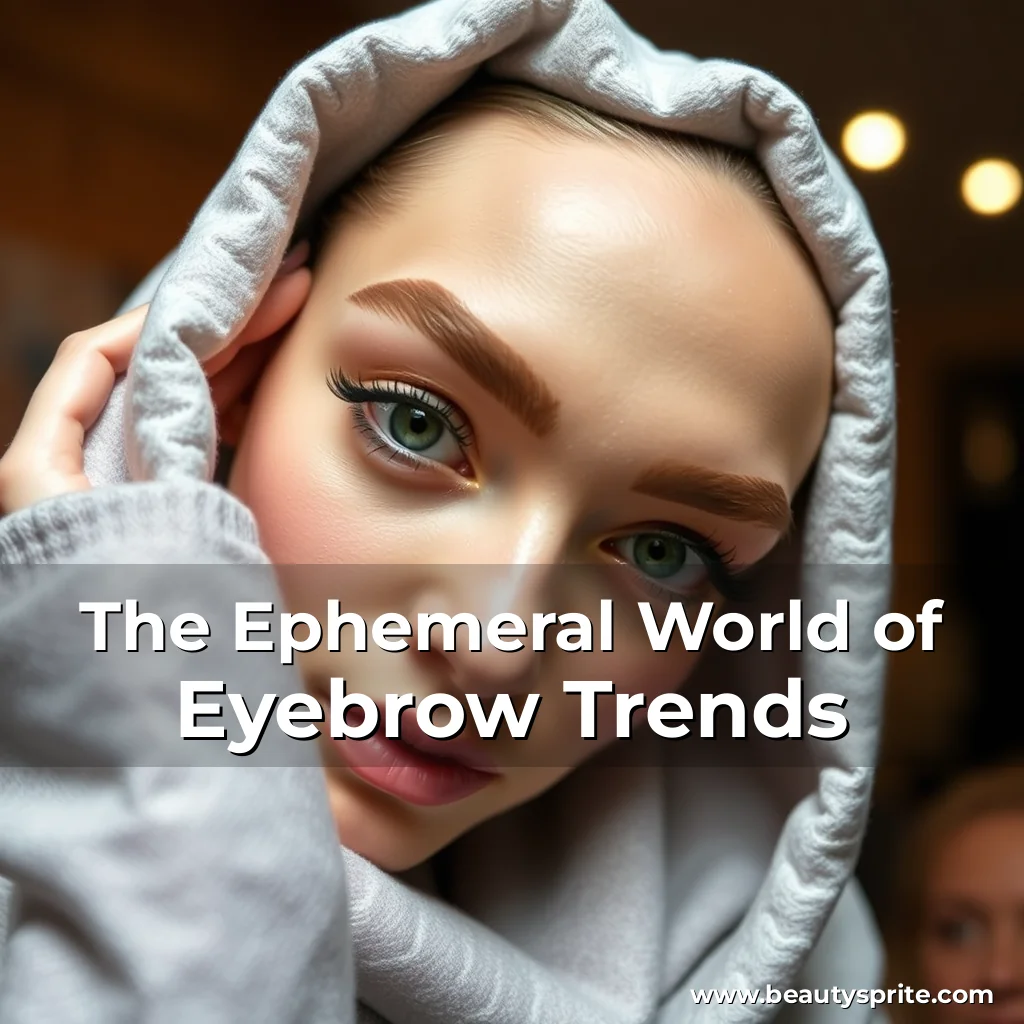
- Magazines from the 1990s and 2000s barely discuss eyebrows beyond a vague idea that they should be plucked and well-groomed.
- The attitude towards eyebrows in these publications was negative, with a focus on what to take off, rather than what to add.
- The social media age, particularly Instagram, brought a new level of attention to eyebrows, with close-ups becoming a staple of the platform.
Before the mid-2010s, eyebrows were a relatively unimportant aspect of beauty trends. In magazines from the 1990s and 2000s, you were unlikely to find in-depth discussion of eyebrow shaping or plucking. Instead, these publications tended to focus on makeup application and skin care, with eyebrows being treated as an afterthought. The prevailing attitude towards eyebrows was one of negativity, with a focus on removing unwanted hair rather than adding definition. This attitude began to shift with the advent of social media, particularly Instagram. The platform’s focus on close-up shots and the rise of the front-facing camera made it the perfect place for eyebrows to take center stage. A single eyebrow could be zoomed in on and admired, providing a level of intimacy and attention that was previously impossible to achieve. The phrase “on fleek” became a defining term of the era, symbolizing a perfectly shaped and filled-in brow. The image of Kylie Jenner’s eyebrows, which were often featured on the platform, became the gold standard for beauty enthusiasts. This phenomenon highlights the way in which social media can create a shared cultural language, with certain terms and images becoming synonymous with a particular aesthetic. Social media also played a significant role in the rise of the 2016 block brow trend. The half-face selfies of Snapchat created a new level of intimacy and attention, allowing users to focus on their eyebrows and experiment with different shapes and styles. The block brow became a staple of the platform, with users eager to share their own attempts at achieving the look. The 2016 block brow trend was not without its criticism, however. Some users felt that the trend was overly exaggerated, with eyebrows being filled in too much or shaped in unnatural ways. This criticism highlights the way in which social media can create a sense of community and shared experience, with users rallying around a particular trend or aesthetic. The popularity of the block brow trend eventually waned, giving way to a new era of eyebrow trends. The early 2020s saw the rise of the natural “soap brow,” characterized by a more relaxed and effortless approach to eyebrow shaping. Beauty influencers began to trade in their Anastasia Beverly Hills Brow Pomade for Glossier’s Boy Brow, a product that promised a more natural and effortless look. This shift towards a more natural aesthetic is reflective of a broader cultural trend. The early 2020s saw a renewed interest in the 1990s pencil-thin brow, as well as a vogue for the bleach brow à la Mia Goth or Julia Fox. These trends highlight the way in which the internet can fragment and decentralize beauty trends, allowing for a wider range of styles and aesthetics to emerge. The rise of the internet has also led to a greater emphasis on individuality and self-expression. Beauty trends are no longer controlled by a single dominant era-defining look, but rather by a multitude of micro-trends and aesthetics. This shift towards a more decentralized approach to beauty reflects a broader cultural trend towards greater inclusivity and diversity.
| 2010s | Block Brow Trend | Bleached Brow Trend |
| 2020s | Soap Brow Trend | Micro-trend |
The world of eyebrow trends is a fascinating and ephemeral one, reflecting the ever-changing nature of beauty and culture. As we continue to navigate the complexities of social media and the internet, it will be interesting to see how this trend continues to evolve and adapt.
“I think that the 2010s block brow trend was really a way of saying, ‘I’m in control of my own face.’ It was a way of saying, ‘I’m going to take my eyebrows and I’m going to do them myself.’ And I think that’s really powerful.”
— NikkieTutorials
This quote from NikkieTutorials highlights the significance of the 2010s block brow trend. For many young people, the trend represented a desire for control and self-expression. By taking charge of their own eyebrows, individuals were able to assert their individuality and create a sense of ownership over their appearance. As we look to the future, it will be interesting to see how the world of eyebrow trends continues to evolve. Will we see a renewed interest in the 1990s pencil-thin brow, or will a new trend emerge? One thing is certain: the world of eyebrow trends will continue to be shaped by the ever-changing nature of social media and the internet. The 2010s block brow trend was a reflection of the social media age, with its focus on close-up shots and the rise of the front-facing camera.


news is a contributor at BeautySprite.com. We are committed to providing well-researched, accurate, and valuable content to our readers.
You May Also Like


Geetanjali Salon Expands Luxury Footprint with Grand Flagship Launch in Ahmedabad Bilkul Online
The grand opening of Geetanjali Salon's flagship store marks a significant milestone in the brand's journey, solidifying its position as...
Professional Makeup Trends: Advanced Techniques
The Evolution of Professional Makeup Trends in 2024: Innovations Shaping Beauty Standards In an era where makeup is both art...


The Radiant Revolution: Exploring the Most Exciting Makeup Trends Shaping 2024
The Radiant Revolution: Exploring the Most Exciting Makeup Trends Shaping 2024 In an ever-evolving world of beauty, 2024 brings forth...
Makeup Trends for Beginners: Getting Started
The Radiant Revolution: Top Makeup Trends Shaping Beauty in 2024 In an era where self-expression through makeup is reaching unprecedented...