


The Rise of K-Beauty
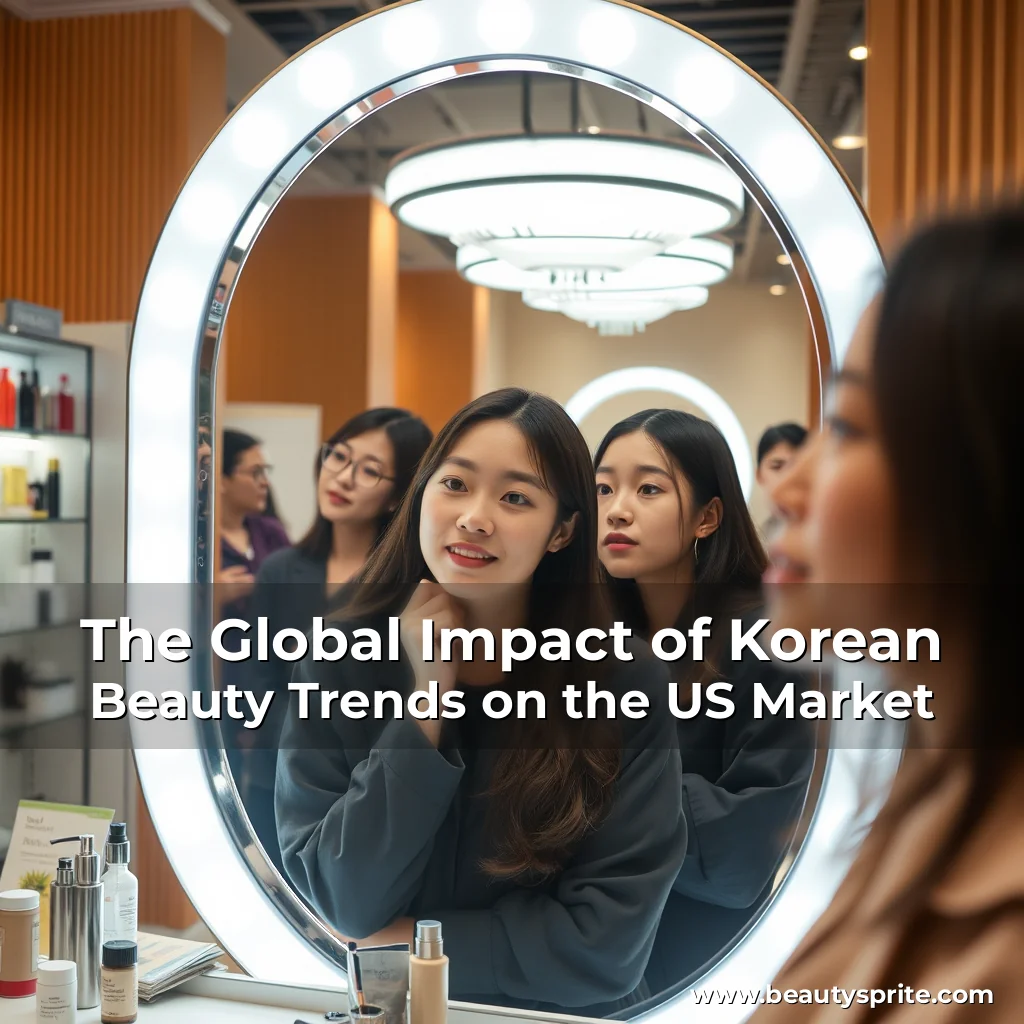
Manhattan’s Koreatown is bustling with beauty stores, even on a rainy Tuesday afternoon. This is a testament to the growing popularity of Korean beauty products, commonly referred to as K-beauty.
The Korean beauty industry has experienced a significant surge in popularity in recent years, with its products now worth $1.7 billion in the US market, surpassing that of beauty powerhouse France. This growth is attributed to the affordability and high quality of Korean beauty products, which have become a staple in many Americans’ skincare routines.
US-Korean Trade Agreement
- The Korea Free Trade Agreement, signed in 2012, allows Korean beauty products to enter the US market duty-free, making them more accessible to American consumers.
- The agreement has contributed significantly to the growth of the Korean beauty industry, enabling companies like Amore Pacific to record $2.87 billion in sales in 2024, with its Americas sales surpassing those in China.
The Unapproved Ingredients in K-Beauty Products
Many Korean beauty products, especially sunscreens, contain modern UVA and UVB filters that are not approved by the US Food and Drug Administration (FDA). This means that these products are not present in US-manufactured items, leaving American consumers without alternatives.
Some Korean brands have already discontinued selling sunscreens in the US or moved their manufacturing inside the US to comply with FDA regulations. However, this may not be a permanent solution, as it could affect the quality and effectiveness of the products.
The Impact of Tariffs on K-Beauty Products
Trump’s proposed 25% tariffs on South Korea could lead to significant price increases and changes in product formulas, affecting the US market for Korean beauty products.
- Amore Pacific, one of the largest Korean beauty conglomerates, has already seen its sales decline in the US market due to the tariffs.
- The company’s founder, Joon Young Chang, has expressed concerns about the impact of the tariffs on the US market, stating that they could lead to a decline in sales and revenue.
The Effect on US Consumers
US consumers are already feeling the impact of the tariffs, with some brands discontinuing sales or raising prices significantly. However, many consumers are willing to pay the extra cost for the high-quality products they have come to love.
- A survey conducted by the Brookings Institution found that 70% of US consumers are willing to pay more for K-beauty products if it means they can continue to use the same products.
- The survey also found that 60% of US consumers believe that K-beauty products are worth the extra cost.
The Future of K-Beauty in the US Market
The future of K-beauty in the US market is uncertain, with the impact of tariffs and changes in product formulas affecting sales and revenue. However, many consumers are willing to continue using K-beauty products, and companies are exploring alternative solutions to mitigate the impact of the tariffs.
- Some companies are considering alternative ingredients or manufacturing processes to comply with FDA regulations.
- Others are exploring new distribution channels or partnerships to reduce the impact of the tariffs.
| Product | Tariff Rate | Effect on Sales |
| Sunscreen | 25% | Significant price increase and potential changes in product formulas |
| Face Serum | 25% | Price increase, potential changes in product formulas |
Expert Insights
Andrew Yeo, senior fellow at the Brookings Institution’s Center for Asia Policy Studies, notes that the Korean beauty industry allows the country to profit from its cultural impact in the US, without necessarily being a major export.
“K-beauty may not be Korea’s biggest export, but it has helped expand the (skincare) market globally. The industry allows the country to profit from its cultural impact in the US, without necessarily being a major export.”
Munseob Lee, an assistant professor of economics at University of California San Diego, expects US consumers to swallow the cost of the tariffs, as there isn’t an alternative.
“Many users on social media are already showing off their Yesstyle orders or frantically rummaging through their skincare cabinets to see what they need to restock on. As one TikTok user declared: ‘Might as well just buy a plane ticket to Korea.'”
What does the future hold for Korean beauty trends in the US market?

news is a contributor at BeautySprite.com. We are committed to providing well-researched, accurate, and valuable content to our readers.
You May Also Like
The Powerhouse of Chia Seeds for Glass Skin
Unveiling the Benefits of Chia Seeds for Skin and Hair Care Rich in omega-3 fatty acids, vitamins, and antioxidants Hydrates...
Debunking the Dry vs Dehydrated Skin Myth
The confusion between dry and dehydrated skin is a common problem that affects millions of people worldwide. Dry skin, characterized...

Prime Biome Reviews: The Science-Backed Gut-Skin Solution
Prime Biome is a dual-function wellness supplement designed to support both gut health and skin clarity through the connection between...
Shop editor loved picks from the Nordstrom Beauty Sale
However, Nordstrom is making an exception for these high-end brands. Nordstrom is offering 15% off beauty products from high-end brands...

news is a contributor at BeautySprite.com. We are committed to providing well-researched, accurate, and valuable content to our readers.
You May Also Like

The Powerhouse of Chia Seeds for Glass Skin
Unveiling the Benefits of Chia Seeds for Skin and Hair Care Rich in omega-3 fatty acids, vitamins, and antioxidants Hydrates...
Debunking the Dry vs Dehydrated Skin Myth
The confusion between dry and dehydrated skin is a common problem that affects millions of people worldwide. Dry skin, characterized...
Prime Biome Reviews: The Science-Backed Gut-Skin Solution
Prime Biome is a dual-function wellness supplement designed to support both gut health and skin clarity through the connection between...
Shop editor loved picks from the Nordstrom Beauty Sale
However, Nordstrom is making an exception for these high-end brands. Nordstrom is offering 15% off beauty products from high-end brands...