


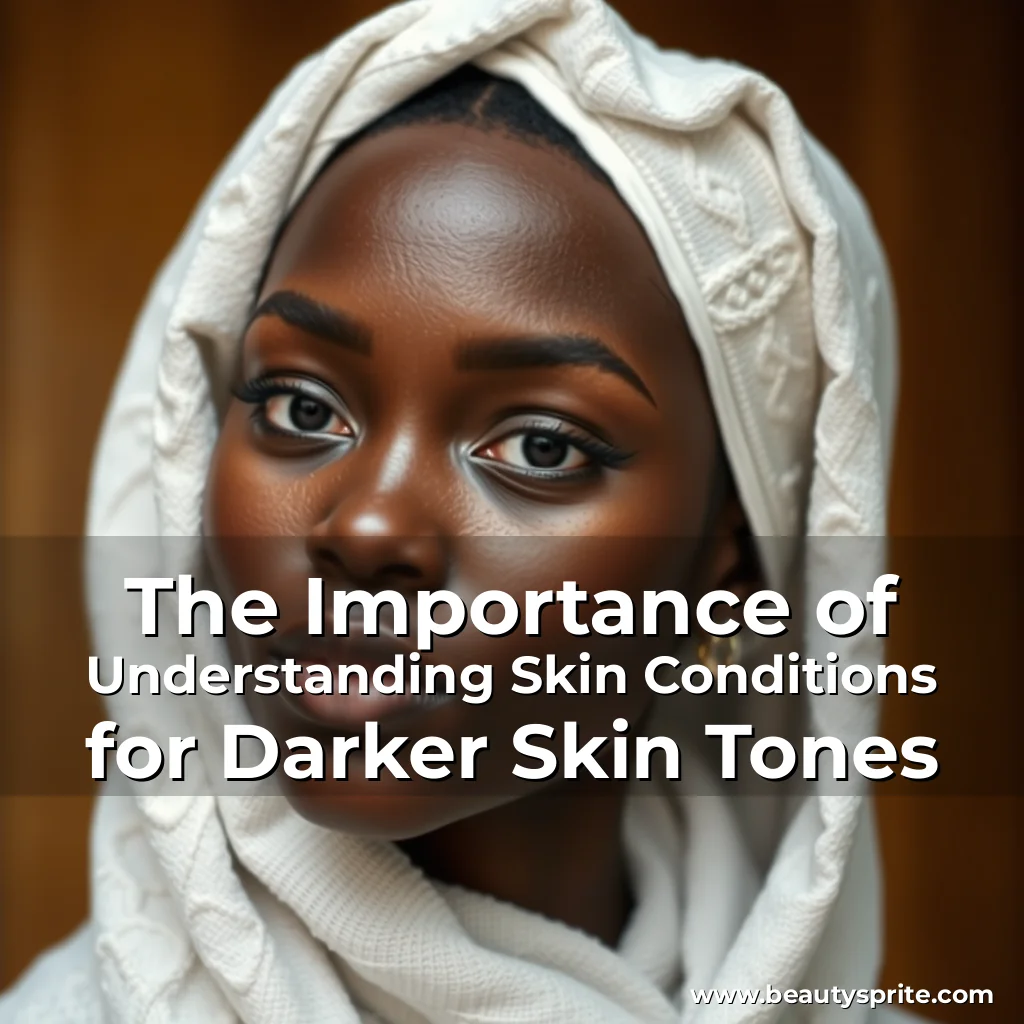
Skin conditions can have a profound impact on a person’s self-confidence and overall well-being. For individuals with darker skin tones, there are unique challenges to consider when it comes to skin health. One of the most significant concerns is that similar-looking rashes may require entirely different treatments depending on skin tone. In fact, excessive cleansing can often worsen skin conditions by damaging the skin’s natural protective barrier.
“Skin problems don’t just affect physical health—they can deeply impact self-confidence and emotional wellbeing, especially when visible on the face or exposed areas.”
Darker skin has unique properties that affect how conditions present and respond to treatment. Understanding these differences is crucial for proper care. Here are five important skin conditions that people with darker skin tones should monitor:
- Skin cancer
- Eczema
- Adult acne
- Vitiligo
- Psoriasis
- Skin Cancer
- Eczema
- Adult Acne
- Vitiligo
- Psoriasis
While skin cancer occurs less frequently in people with dark skin (accounting for only about 2% of all cancers in Black individuals), it’s often diagnosed at later stages, resulting in worse outcomes. This delayed detection happens because both patients and doctors may not recognize early warning signs in darker skin. People with melanin-rich skin should examine their skin monthly, paying special attention to palms, soles, fingernails, and toenails. Watch for changing moles or unusual spots, especially under nails or between toes. Apply broad-spectrum sunscreen daily, particularly to exposed areas, and visit a dermatologist yearly for professional skin checks.
Eczema (dermatitis) creates itchy, inflamed skin patches that can appear ashy or grayish on darker skin rather than the reddish appearance seen on lighter skin tones. This difference sometimes leads to misdiagnosis or delayed treatment. Treatment typically involves moisturizing regularly, identifying and avoiding triggers, and using prescription topical medications when necessary. Some research suggests probiotics may help prevent flare-ups by strengthening the immune system.
Many adults with dark skin experience acne well beyond their teenage years. This frustrating condition often appears during hormonal shifts like pregnancy, menopause, or stress periods. Without proper treatment, acne can leave lasting dark spots (hyperpigmentation) that take months or years to fade. Contributing factors include hormonal fluctuations, diet choices, and certain medications or cosmetics that clog pores.
Vitiligo causes the immune system to attack melanin-producing cells, creating patches of completely depigmented skin. While this autoimmune condition affects all skin types equally, the contrast between normal and affected skin appears most dramatic on darker skin tones. Treatment focuses on stopping progression and repigmenting skin. Sun protection prevents burning of affected areas lacking melanin protection. Vitiligo patients often need vitamin D supplementation since they must limit sun exposure.
Psoriasis accelerates skin cell turnover, creating thick, scaly patches that may appear darker or more violaceous (purplish) on melanin-rich skin rather than the bright red seen on lighter skin tones. This difference in appearance often leads to misdiagnosis or underdiagnosis in darker-skinned individuals. Comprehensive care typically involves topical treatments, light therapy, oral medications, or biologics depending on severity. Lifestyle modifications like stress reduction, smoking cessation, and limited alcohol consumption help minimize flare-ups.
For individuals with darker skin tones, it’s essential to take control of their skin health. By understanding the unique challenges associated with skin conditions and seeking proper treatment, people can maintain their skin’s natural beauty and health for years to come. Working with a dermatologist familiar with diverse skin types ensures that individuals receive the right care tailored to their specific needs.
Key Takeaways
- Early recognition and treatment of skin conditions can prevent lasting pigmentation changes.
- Proper knowledge of skin conditions and treatment options is crucial for individuals with darker skin tones.
- Working with a dermatologist familiar with diverse skin types ensures proper care.
- Effective treatments exist for all the mentioned skin conditions.
By prioritizing skin health and seeking professional advice, individuals with darker skin tones can enjoy a more radiant and healthy complexion.


news is a contributor at BeautySprite.com. We are committed to providing well-researched, accurate, and valuable content to our readers.
You May Also Like

Adult Acne: A Growing Concern
**Spotlight on Adult Acne: A Dermatologist's Warning** Adults are not the only ones prone to acne. Despite being often associated...

Professional Skin Health: Advanced Techniques
Professional Skin Health: Advanced Techniques for Radiance and Resilience Skin health transcends superficial aesthetics; it’s the foundation of confidence, vitality,...

Common Skin Health Mistakes to Avoid
The Hidden Dangers of Neglecting Your Skincare Routine Skin health is often overlooked until visible signs appear, but neglecting your...

The Power of Blush: How a Flawless Flush Can Transform Your Makeup Look
**The Ultimate Guide to Finding Your Perfect Blush Crush** A good blush can be the difference between a stunning makeup...