Beauty Products vs Alternatives: Complete Comparison
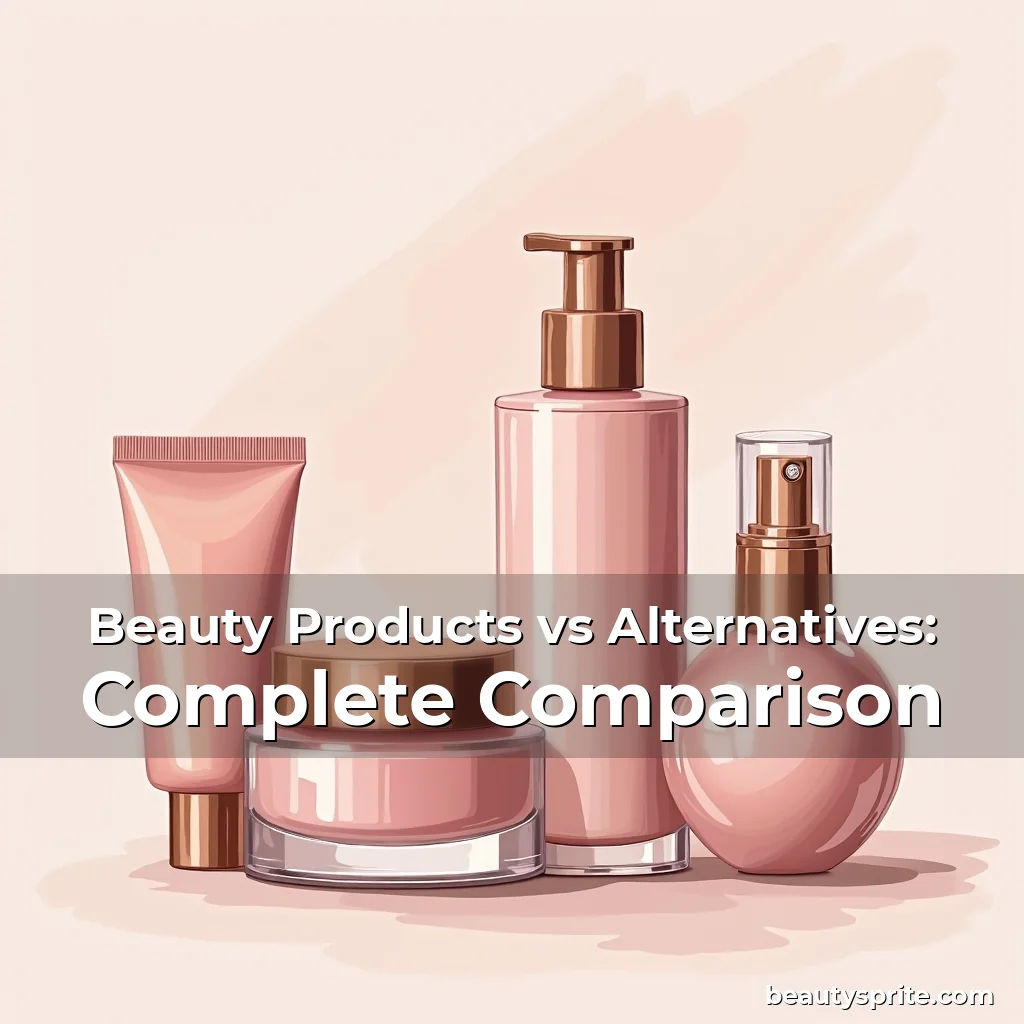
In an era where self-care has become synonymous with confidence and well-being, choosing the right beauty products is more than a routine—it’s an investment in your appearance and health. From skincare serums to makeup that accentuates natural features, the market offers countless options designed to enhance beauty while addressing individual concerns.
The debate between conventional beauty products and alternative methods such as DIY treatments or natural remedies continues to grow, fueled by increasing awareness around ingredient transparency and environmental impact. Understanding the pros and cons of each approach can help you make informed choices tailored to your needs.
The Science Behind Effective Beauty Products
Modern beauty products are developed through rigorous scientific research aimed at delivering visible results. Formulations often include active ingredients supported by clinical studies, ensuring safety and efficacy before reaching consumers.
Laboratories conduct extensive testing to determine optimal concentrations of key components, balancing potency with skin compatibility. This process helps minimize adverse reactions while maximizing benefits for different skin types and conditions.
Active Ingredients: Components like retinol, hyaluronic acid, and vitamin C are commonly found in high-quality products due to their proven effectiveness. These substances target specific issues such as aging, hydration, and pigmentation.
- Retinol: Known for its ability to stimulate collagen production, reduce fine lines, and improve skin texture over time.
- Hyaluronic Acid: A powerful humectant that attracts moisture to the skin, providing plumpness and reducing the appearance of wrinkles.
- Vitamin C: Offers antioxidant protection against free radicals, brightens complexion, and aids in fading dark spots.
Note: While these ingredients show promise, they must be used correctly—often under professional guidance—to avoid irritation or diminished effects.
Natural Remedies and Their Place in Skincare
Many individuals opt for natural remedies as alternatives to commercial beauty products, driven by preferences for organic, plant-based solutions. Items like honey, turmeric, and coconut oil have been traditionally used across cultures for their purported skin-enhancing properties.
However, the lack of standardized regulation means that homemade treatments may not always deliver consistent results. The concentration of beneficial compounds varies widely depending on preparation techniques and source quality.
Benefits of Natural Treatments: They tend to contain fewer synthetic additives and preservatives, appealing to those concerned about chemical exposure. Additionally, many users report feeling more connected to their routines when using familiar household items.
Potential Risks: Without proper knowledge, certain ingredients could cause allergic reactions or exacerbate existing skin conditions. It’s crucial to perform patch tests and consult dermatologists before trying new remedies.
Evaluating Environmental Impact
The growing emphasis on sustainability influences how both traditional and alternative beauty products are perceived today. Consumers increasingly seek eco-friendly packaging and ethically sourced materials without compromising performance.
Sustainable Practices: Brands prioritizing green initiatives often use recyclable containers, biodegradable formulas, and cruelty-free practices. Supporting these companies contributes positively to global conservation efforts.
Challenges Ahead: Despite progress, fully sustainable product development remains complex due to factors including cost implications and technological limitations in manufacturing processes.
The Role of Technology in Modern Beauty Care
Advancements in technology have revolutionized the beauty industry, leading to innovative tools and devices that complement topical treatments. Devices ranging from LED masks to microcurrent facial toners offer non-invasive ways to rejuvenate skin.
LED Therapy Masks: These utilize light wavelengths targeting various skin concerns—from acne reduction with blue light to anti-aging benefits from red light therapy. Regular usage according to manufacturer guidelines yields best outcomes.
Microcurrent Facial Toners: By stimulating muscle activity beneath the surface layers, they aim to firm up sagging areas naturally over time. Consistency plays a significant role in achieving desired changes.
Smart Mirrors & Apps: Integrating AI capabilities allows personalized skincare recommendations based on real-time analysis of user data collected via cameras embedded within mirrors or mobile applications.
Understanding Skin Types and Product Selection
Selecting appropriate beauty products hinges largely upon understanding one’s own skin type—whether oily, dry, combination, sensitive, or normal. Misjudgment here might lead to ineffective treatments or even worsened symptoms.
Oily Skin: Individuals prone to excess sebum typically benefit from lightweight moisturizers containing salicylic acid which helps control shine without clogging pores.
Dry Skin: Requires richer formulations infused with oils or ceramides aiming to restore barrier function and retain moisture levels effectively throughout day-long wear.
Sensitive Skin: Demands gentle yet effective care; fragrance-free products devoid of harsh chemicals usually prove safest during initial trials.
Cost Considerations and Value Assessment
When evaluating beauty products, price alone does not necessarily equate to superior quality. Some affordable brands provide excellent value through carefully formulated ingredients and competitive pricing strategies.
Investment Worthiness: High-end luxury items sometimes justify higher costs due to exclusive ingredient sourcing or proprietary technologies that deliver unmatched results after prolonged use periods.
Generic Options: Can serve perfectly well for basic maintenance tasks provided they meet essential criteria regarding suitability for personal skin profiles.
Tips For Budget-Conscious Shoppers: Researching reviews online, looking out for certifications indicating ethical standards compliance, comparing prices across retailers—all contribute towards making smart purchasing decisions.
Celebrity Endorsements Versus Independent Reviews
Celebrities frequently promote particular beauty brands leveraging their influence among fans who admire them personally. However, reliance solely on celebrity endorsements risks overlooking potential drawbacks inherent within promoted products.
Credibility Concerns: Not every endorsement reflects genuine experience; some celebrities receive compensation regardless of actual satisfaction derived from using said merchandise.
Relying On Verified Sources: Platforms offering verified customer testimonials alongside expert analyses present balanced perspectives useful for discerning buyers seeking reliable information sources.
Combining Both Approaches: Using celebrity-backed picks alongside independent ratings creates a rounded view helping identify genuinely beneficial offerings amidst marketing hype surrounding popular names.
Future Trends In Beauty Industry Innovation
Emerging trends indicate shifting consumer priorities toward inclusivity, diversity representation, and increased accessibility within beauty sectors worldwide. Companies now strive harder than ever before to cater broadly encompassing varied ethnic backgrounds, gender identities, and age groups alike.
Customization Services: Advances allow bespoke formulation possibilities enabling customers to craft uniquely suited regimens matching precise requirements rather than adhering strictly pre-set categories defined by manufacturers.
Sustainability Focus: Continued push emphasizes reducing carbon footprints associated with entire supply chains involving raw material extraction through final disposal phases post-consumer engagement ends.
AI Integration: Machine learning algorithms assist tailoring advice accordingly reflecting dynamic shifts occurring continuously within evolving marketplace landscapes characterized by constant innovation cycles.
Virtual Try-On Technologies: Enhance shopping experiences significantly allowing previews digitally prior committing physically thereby minimizing returns rates contributing indirectly towards greener operations overall.
Conclusion
This comparison highlights the multifaceted nature of selecting beauty products versus exploring other avenues available currently. Recognizing strengths and weaknesses affiliated respectively enables better alignment with individual goals whether pursuing immediate fixes or long-term wellness aspirations.
Ultimately, embracing a holistic strategy combining science-backed methodologies along with mindful considerations related environmental stewardship ensures fulfilling journeys filled with positive transformations enhancing lives visibly and internally alike.

news is a contributor at BeautySprite.com. We are committed to providing well-researched, accurate, and valuable content to our readers.